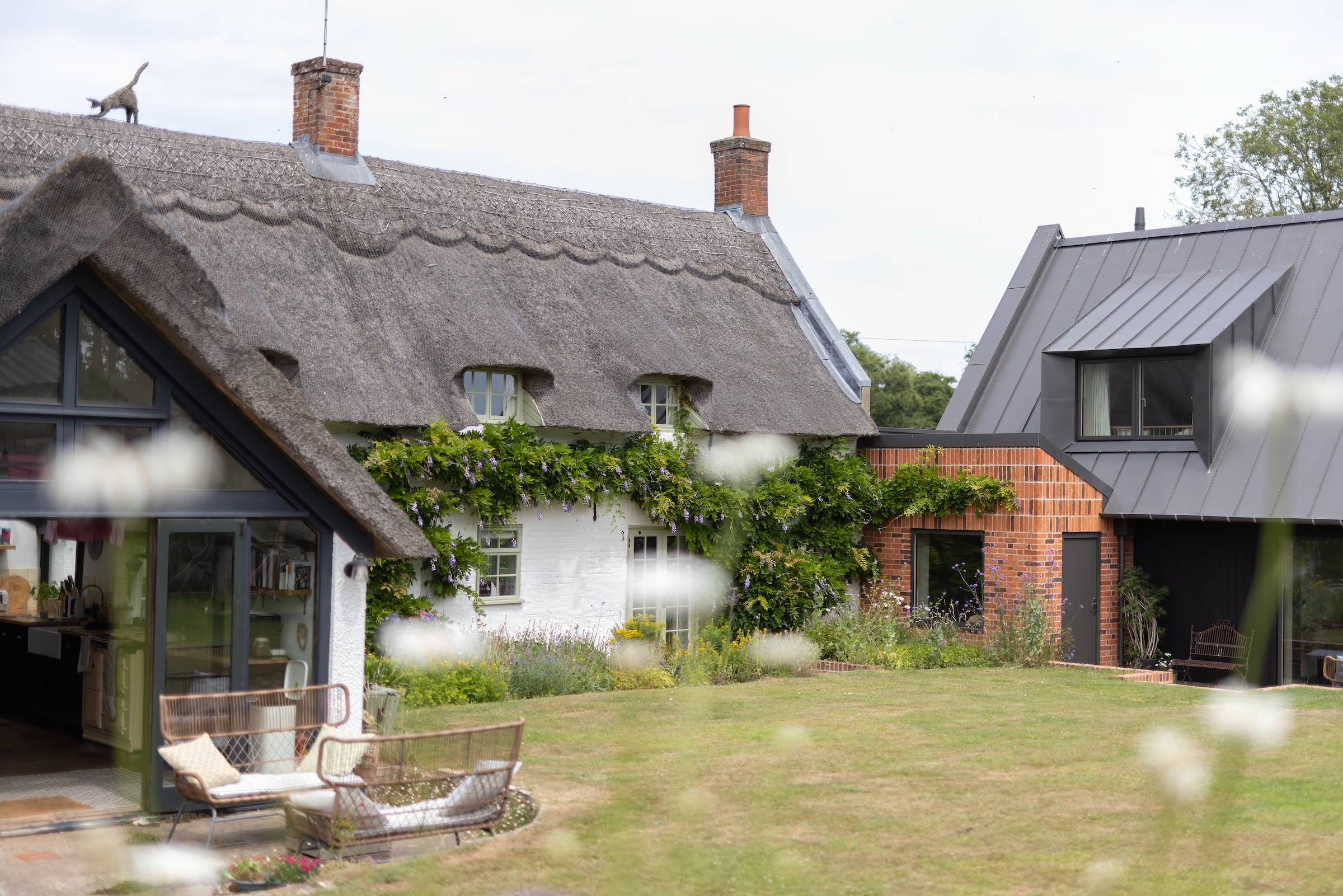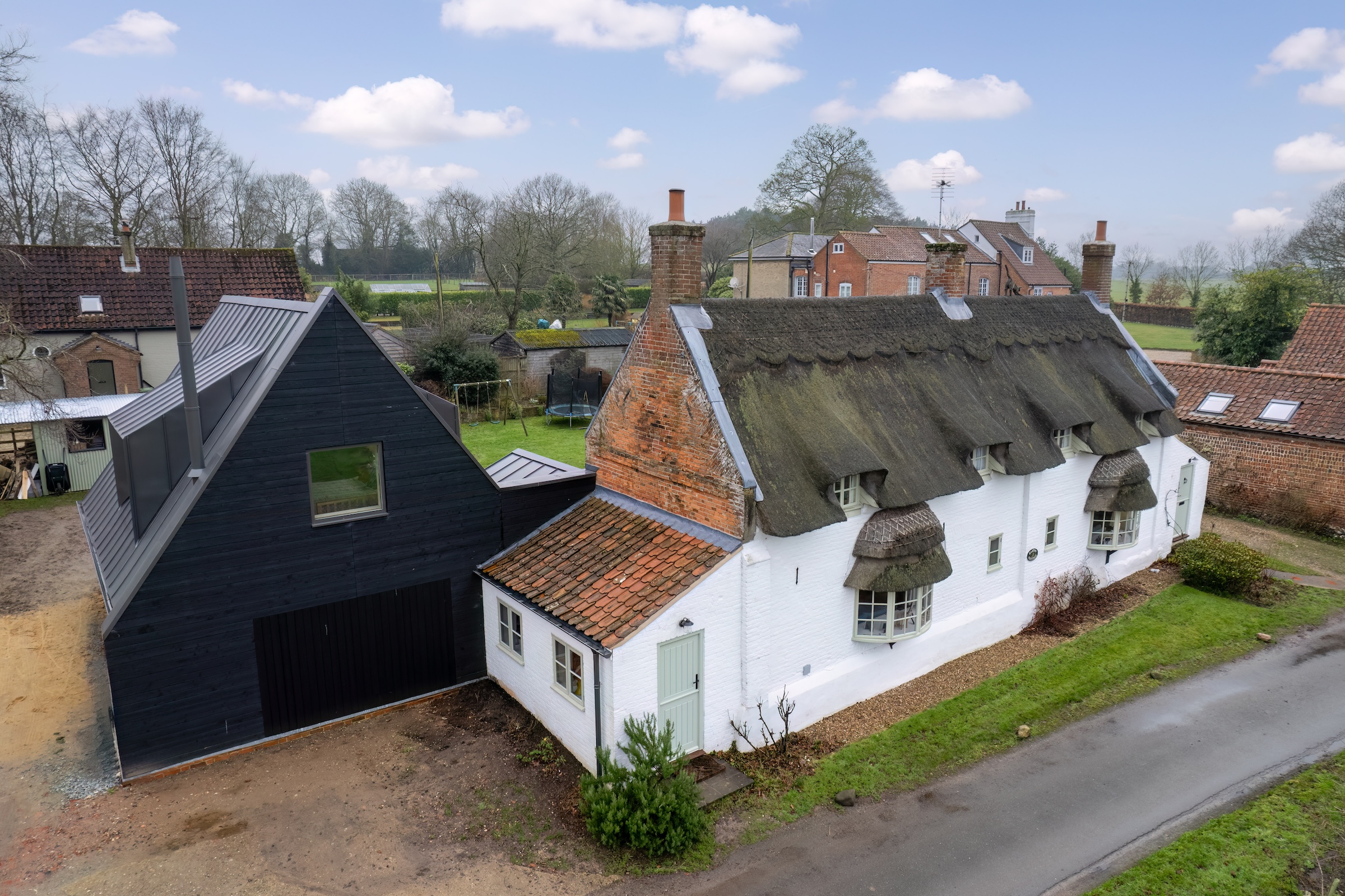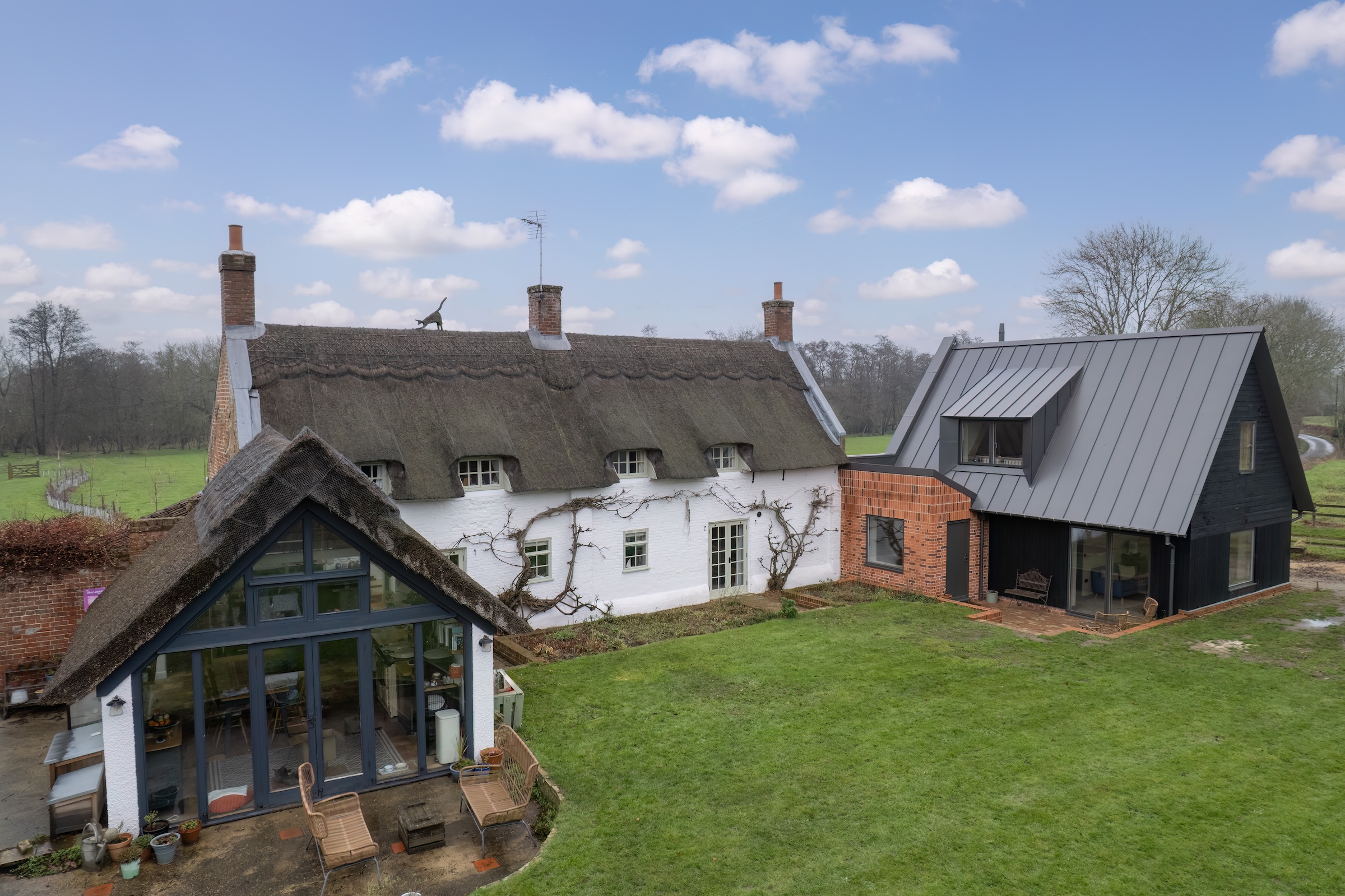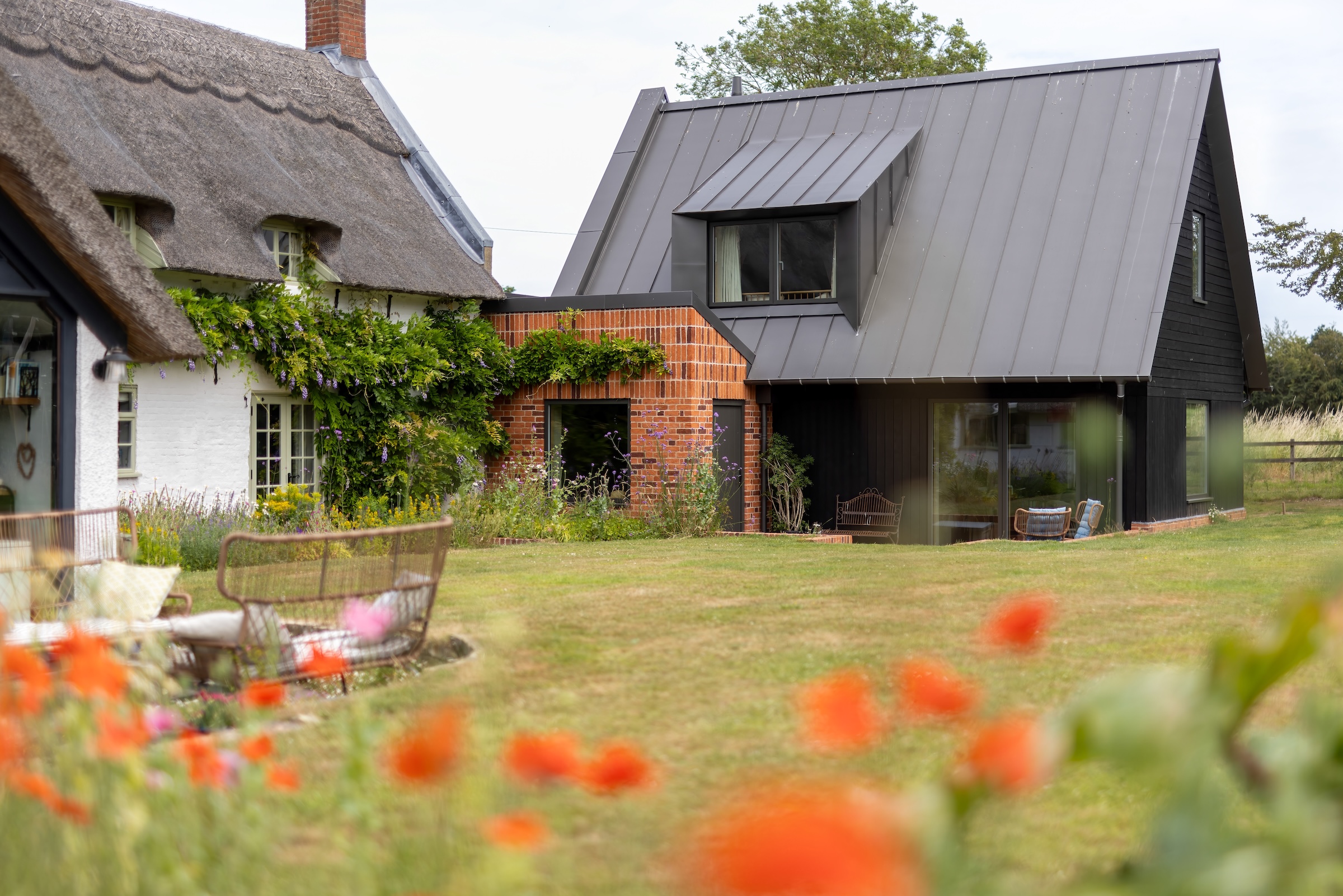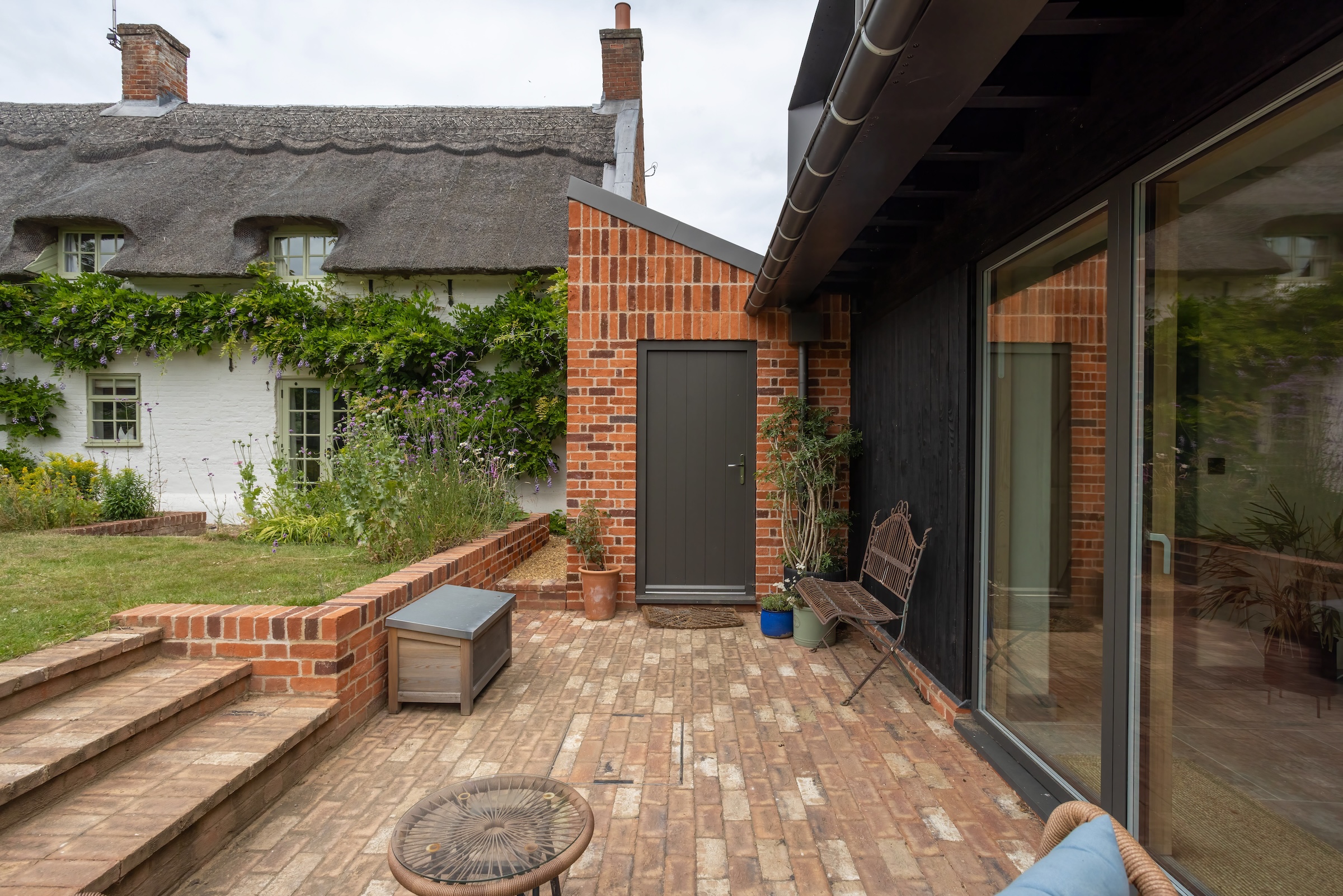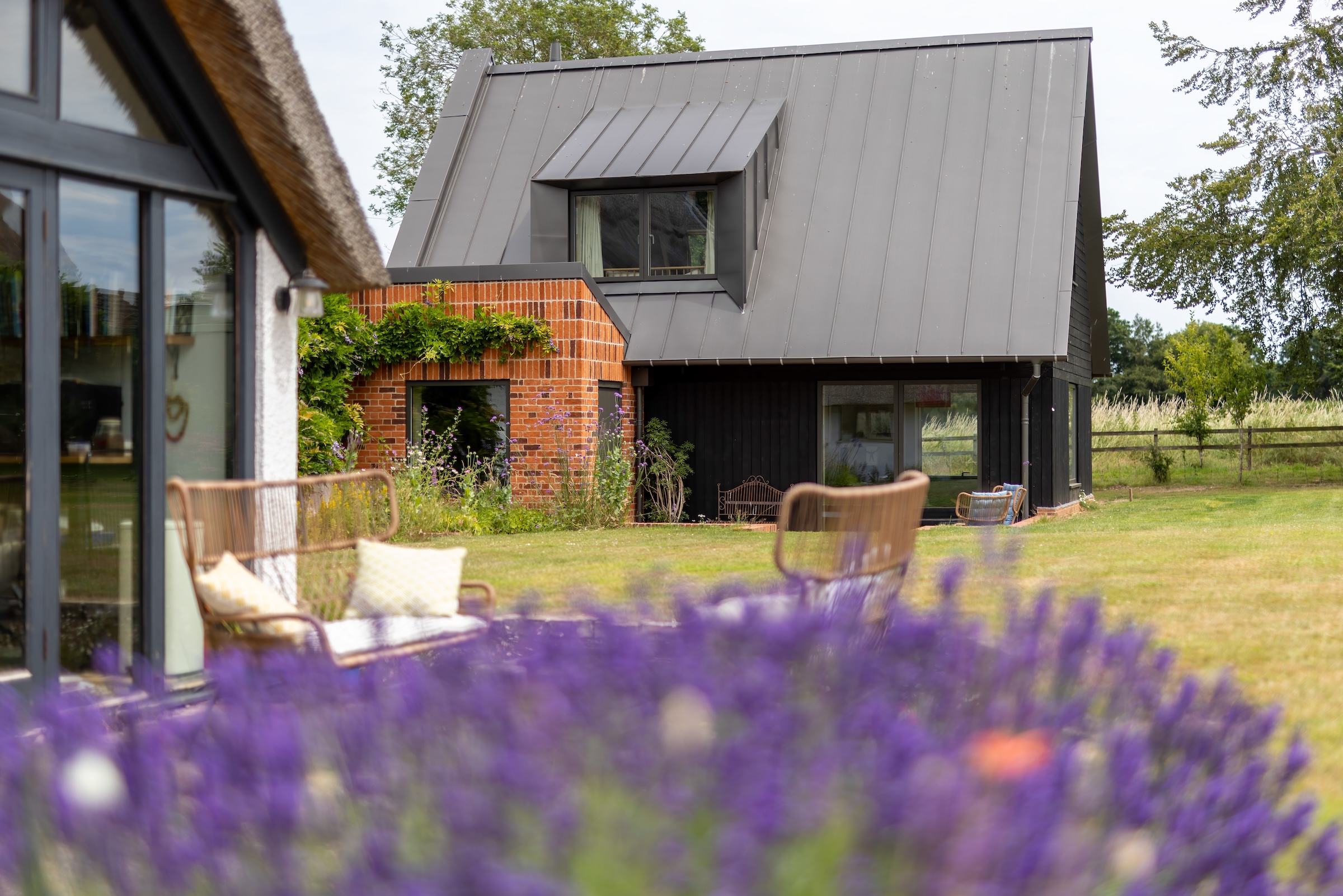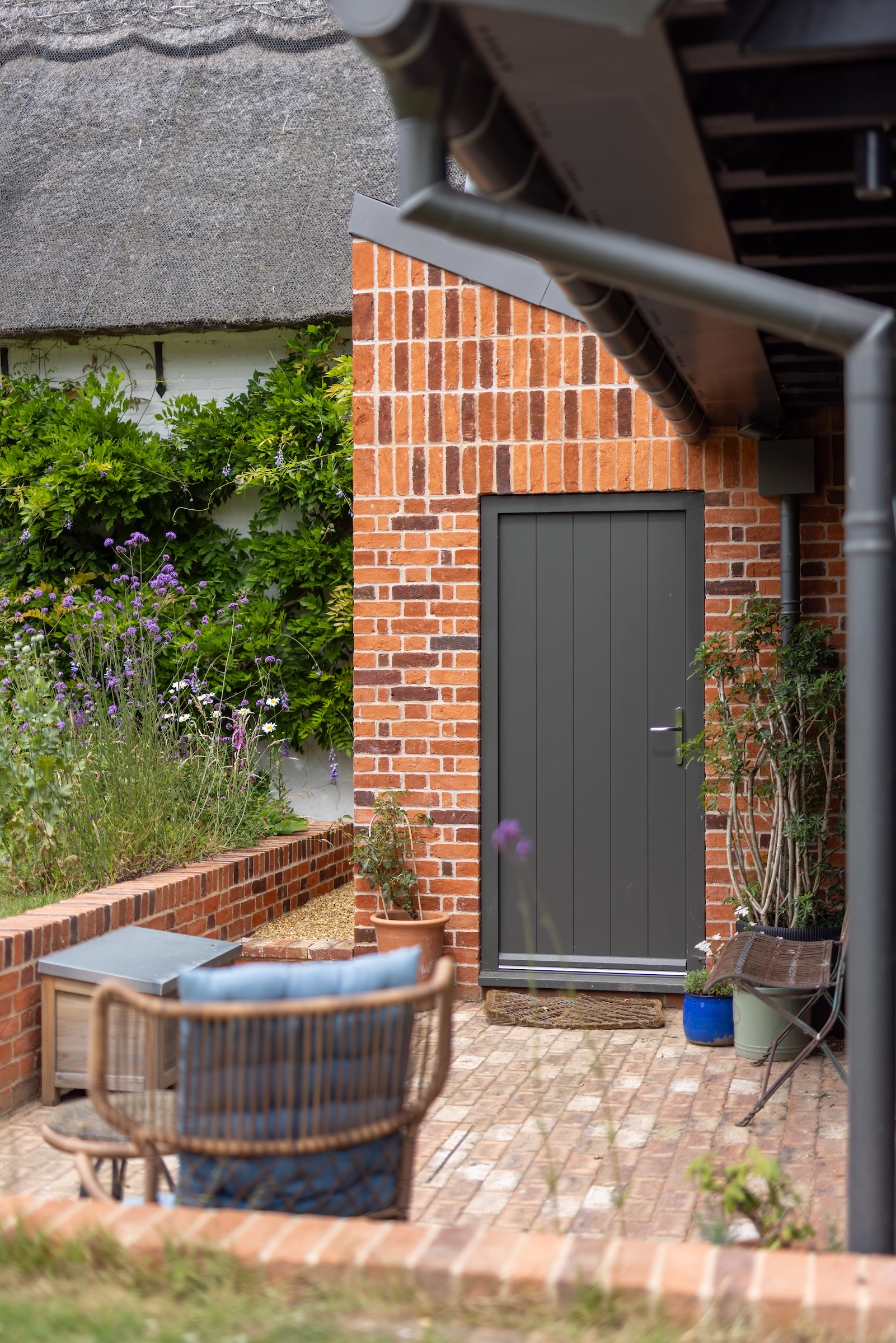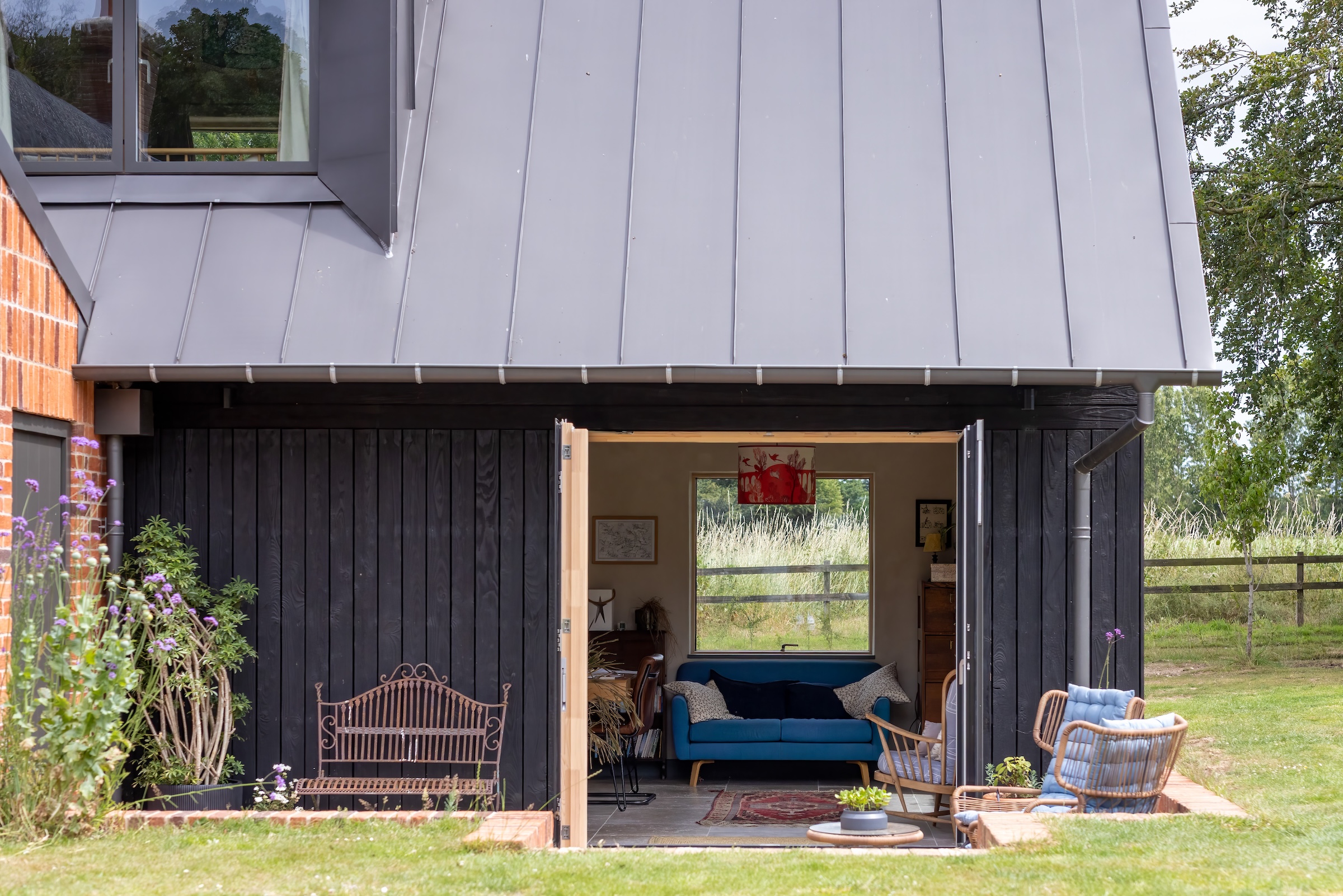
Respect Not Replication
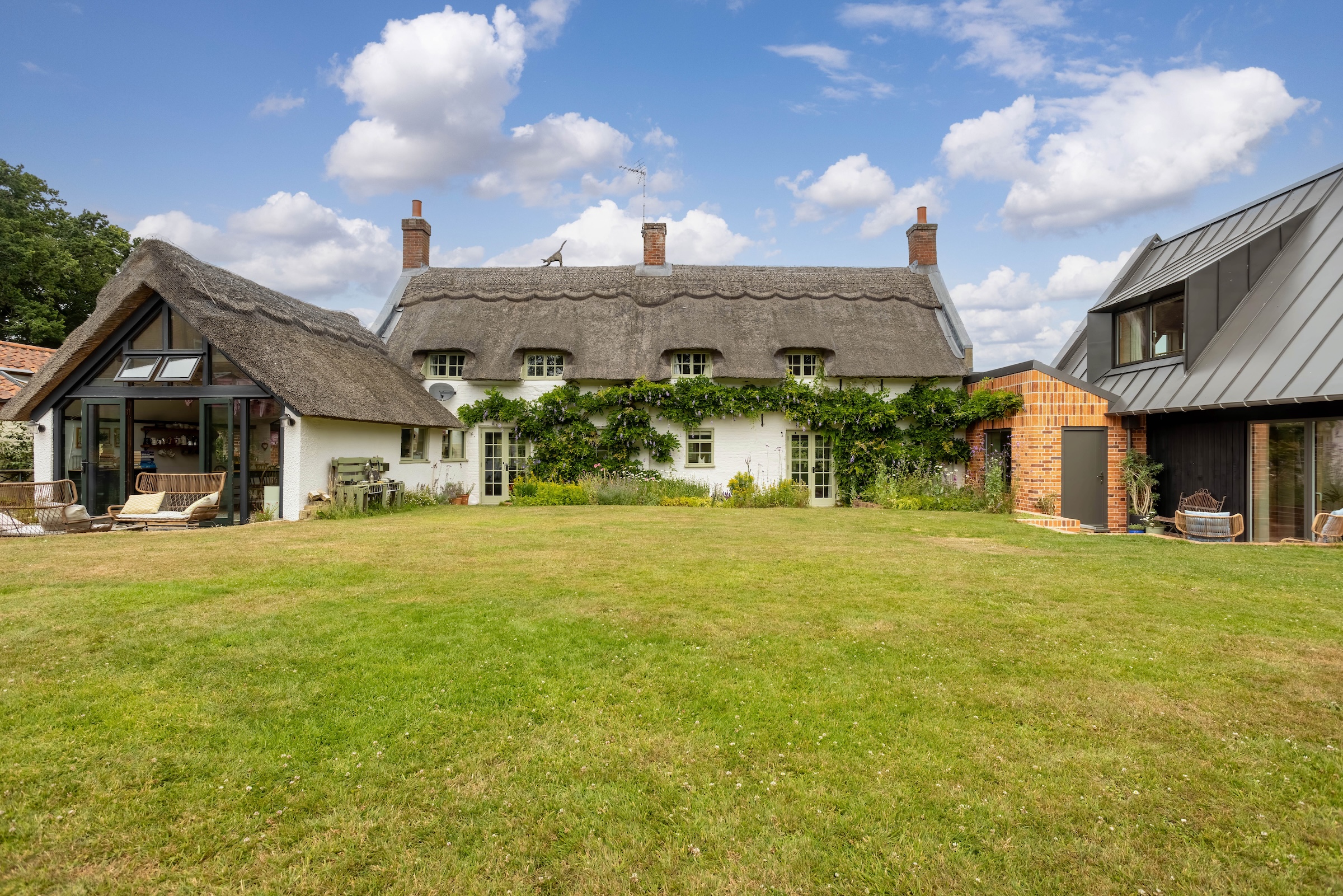
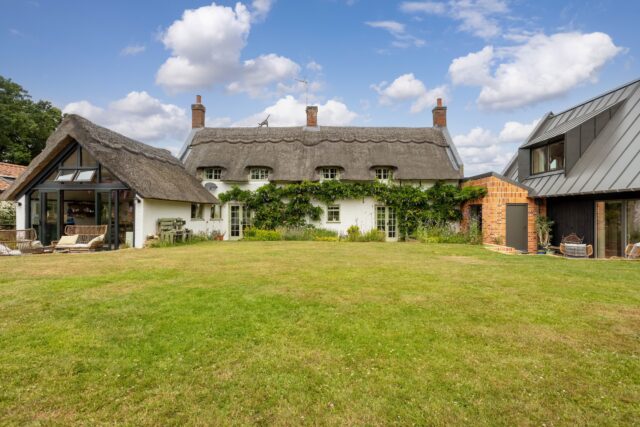
Barton Cottage began life as a modest c.1750 thatched cottage in the Norfolk Broads. Rather than simply extending it, we set out to explore a fundamental question:
Can a contemporary extension respect the craftsmanship, character and proportions of a traditional cottage while embracing a new generation of natural, regenerative materials?
As the personal home of our co-founder, Chartered Structural Engineer James Mickelburgh, the project became an opportunity to challenge conventional construction methods and demonstrate that high-quality contemporary architecture need not rely on concrete, steel or cement.
Every decision was guided by material honesty, environmental responsibility and longevity. The result is a fully breathable home that works with nature rather than against it, combining traditional craftsmanship with a carefully considered palette of natural materials.
Building With Care
Throughout the project we challenged many of the assumptions of conventional construction.
Foundations – Concrete was designed out in favour of recycled foamed glass aggregate and limecrete foundations.
Breathable Construction – Damp-proof membranes and impermeable layers were eliminated through the use of breathable construction throughout.
Natural Materials – Timber, lime, wood fibre insulation and natural plasters were selected to create a healthy, low-impact building envelope.
Low Carbon Heating – An oil-fired heating system was replaced with a biomass wood pellet boiler.
Craftsmanship – Traditional building techniques sat alongside contemporary detailing to create an extension that feels rooted in its setting rather than imposed upon it.
A Different Design Process – Rather than designing first and pricing later, we appointed the contractor early, allowing material choices and buildability to evolve collaboratively.
Lessons Learned
Perhaps the biggest lesson is that regenerative construction is far more achievable than many people imagine.
Our experience taught us that:
Greater awareness and availability of regenerative materials within the construction supply chain would make these approaches significantly more accessible.
Ambition must be established at the very beginning of a project.
The natural materials sector is collaborative, knowledgeable and keen to share expertise.
Challenges will inevitably arise, but staying true to the original vision leads to better outcomes.
Materials described as “natural” vary enormously in their environmental credentials, it always pays to look beyond the marketing.